
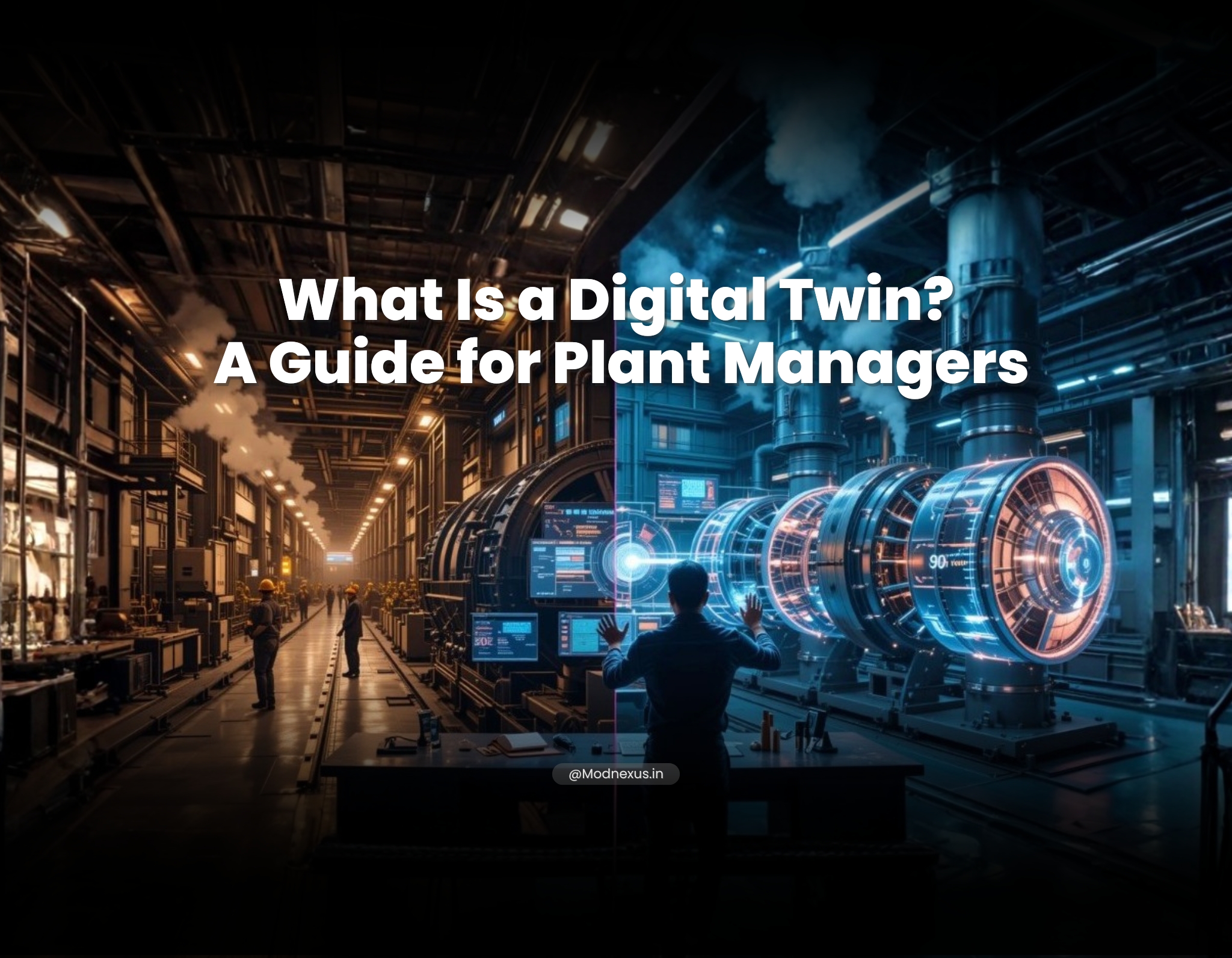

Manufacturing is becoming smarter, faster, and more data-driven. Plant managers today are expected to improve efficiency, reduce downtime, and make better decisions in real time. One of the most powerful technologies enabling this shift is the digital twin.
A digital twin creates a virtual replica of physical assets, processes, or entire production systems. It allows plant managers to monitor, analyze, and optimize operations without interrupting real-world production.
What Is a Digital Twin?
A digital twin is a real-time digital model of a physical system. It uses data from sensors, machines, and software to mirror what is happening on the factory floor.
This means plant managers can see how machines are performing, predict failures, and test changes before applying them in reality. The digital twin acts as a bridge between physical operations and digital intelligence.
How Digital Twin Technology Works
A digital twin operates by combining multiple technologies:
- IoT sensors to collect machine data
- Data platforms to process information
- Simulation tools to model behavior
- AI systems to generate insights
These components work together to create a live, evolving model. The digital twin continuously updates as conditions change, giving accurate insights at all times.
Why Plant Managers Need a Digital Twin
Managing a plant involves complex systems and constant decision-making. A digital twin simplifies this by providing clear visibility into operations.
Key benefits include:
- Real-time monitoring of equipment
- Early detection of potential issues
- Improved production planning
- Reduced operational risks
With a digital twin, plant managers can move from reactive to proactive management.
Improving Predictive Maintenance
Unplanned downtime can be costly. A digital twin helps predict equipment failures before they happen.
By analyzing data patterns, it identifies signs of wear and tear. This allows maintenance teams to act early, reducing downtime and repair costs. The digital twin ensures machines operate at optimal performance.
Optimizing Production Processes
Efficiency is critical in manufacturing. A digital twin allows plant managers to simulate different production scenarios.
They can test:
- Workflow changes
- Resource allocation
- Production schedules
This helps identify the most efficient setup without disrupting actual operations. The digital twin supports better planning and execution.
Enhancing Quality Control
Maintaining product quality is a top priority. A digital twin monitors production conditions and identifies deviations in real time.
If something goes wrong, managers can quickly identify the cause and take corrective action. This reduces defects and improves overall product quality.
Supporting Data-Driven Decisions
Decisions based on guesswork can lead to inefficiencies. A digital twin provides accurate data and insights.
Plant managers can use this information to:
- Improve operational strategies
- Reduce waste
- Increase output
The digital twin ensures decisions are backed by real data.
Reducing Costs and Improving ROI
Cost control is essential for any manufacturing operation. A digital twin helps reduce expenses by optimizing processes and minimizing downtime.
It also improves resource utilization, ensuring that materials, energy, and labor are used efficiently. Over time, the digital twin delivers a strong return on investment.
Real-World Use Cases
Many industries are already using the digital twin to improve operations:
- Automotive manufacturing for assembly optimization
- Energy sector for equipment monitoring
- Electronics production for quality control
- Logistics for supply chain management
These examples show how the digital twin can be applied across different sectors.
Challenges to Consider
While the digital twin offers many benefits, there are challenges:
- High initial setup costs
- Integration with existing systems
- Data management complexity
Proper planning and the right technology partners can help overcome these challenges.
How to Get Started with Digital Twin
Plant managers should begin by identifying key areas where a digital twin can add value.
Steps include:
- Selecting critical equipment or processes
- Installing sensors and data systems
- Building the digital model
- Testing and refining the system
Starting small and scaling gradually ensures successful implementation.
The Future of Digital Twin in Manufacturing
The role of the digital twin will continue to grow as technology advances. Integration with AI and automation will make these systems even more powerful.
Future developments may include:
- Fully autonomous production systems
- Advanced predictive analytics
- Real-time optimization across entire plants
The digital twin will become a core component of smart manufacturing.
Conclusion
Manufacturing is evolving rapidly, and plant managers need tools that provide visibility, control, and efficiency. The digital twin offers all of these capabilities by connecting physical operations with digital intelligence.
At ModNexus, we help businesses implement advanced technologies like the digital twin to optimize operations and drive growth. With the right strategy, plant managers can transform their facilities into smarter, more efficient systems ready for the future.