

Introduction
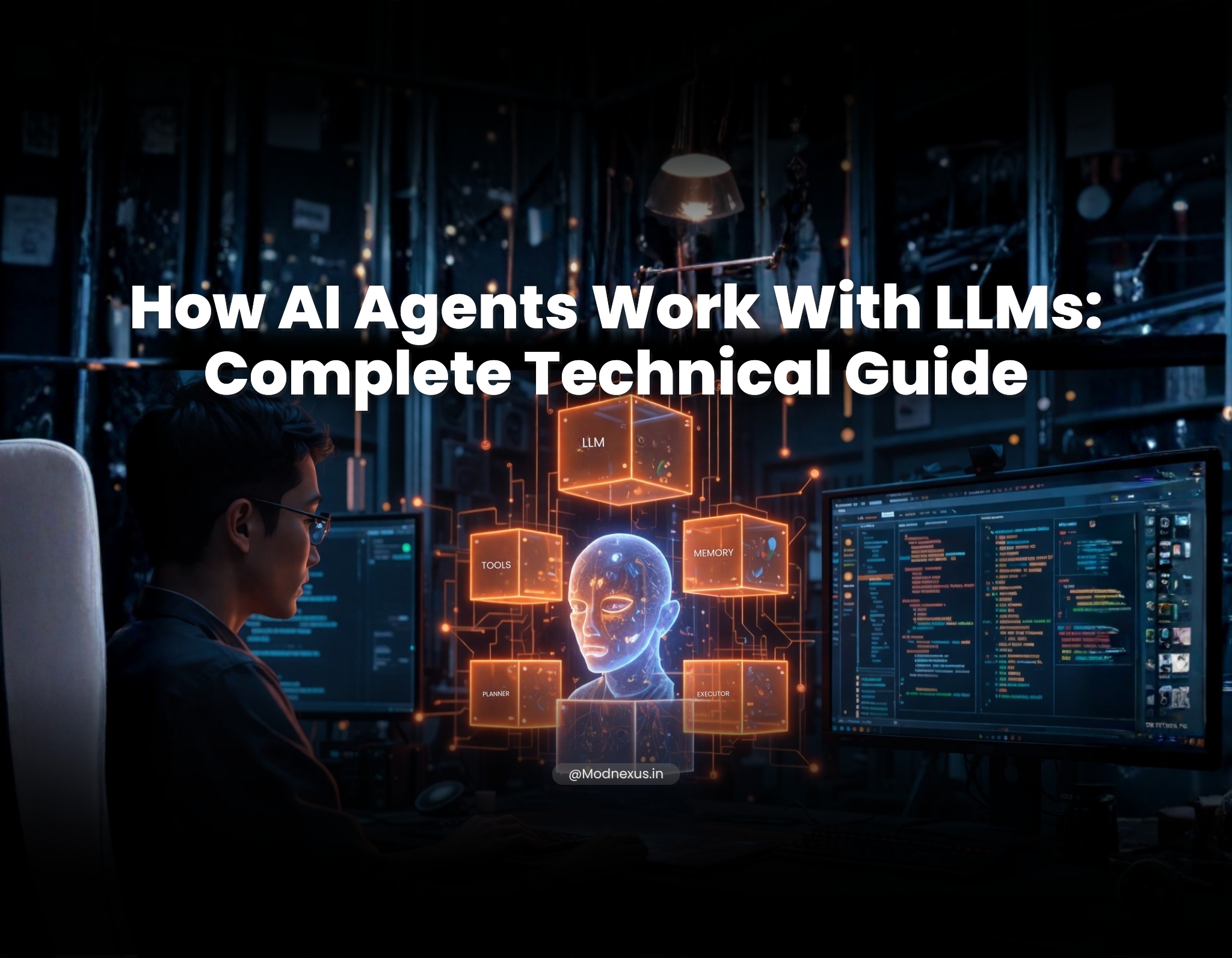
AI Agents are changing how businesses operate in 2026. They automate tasks, improve decision-making, and enhance user interactions. From customer support to internal workflows, AI Agents help reduce manual effort and increase efficiency. With tools like LangChain, building AI Agents has become more structured and accessible. Businesses can now create intelligent systems that understand context, use tools, and execute actions. This guide explains how to build AI Agents step-by-step using LangChain.
What Are AI Agents
AI Agents are intelligent systems designed to perform tasks autonomously. They can understand instructions, process information, and act based on defined goals. Unlike traditional automation, AI Agents adapt to different scenarios.
- They interpret natural language inputs
- They connect with APIs and external tools
- They make decisions using logic and context
- They perform tasks without constant human input
These capabilities make AI Agents useful across industries, including customer service, sales, and operations.
Why Use LangChain for AI Agents
LangChain is a powerful framework that simplifies the development of Agents. It connects large language models with tools, data, and workflows.
- It provides structured components for building logic
- It supports memory and context handling
- It enables tool integration for real-time actions
- It simplifies multi-step reasoning
Using LangChain allows developers to focus on building functionality instead of managing complexity.
Step 1: Define the Purpose of AI Agents
Before building, clearly define what your Agents should achieve.
- Automate customer queries
- Qualify leads
- Analyze data
- Execute internal workflows
Clear objectives ensure that Agents are efficient and aligned with business goals.
Step 2: Choose the Right Language Model
Agents depend on language models for understanding and generating responses.
- Select a model based on accuracy and speed
- Ensure it supports tool usage
- Balance performance with cost
The right model improves the overall quality of Agents.
Step 3: Set Up the LangChain Environment
Prepare your development environment to build Agents.
- Install LangChain libraries
- Configure API keys
- Set up dependencies
A proper setup ensures smooth development and testing.
Step 4: Integrate Tools and APIs
Agents become more powerful when connected to external tools.
- APIs for real-time data access
- Databases for storing information
- Automation tools for task execution
LangChain allows Agents to decide when and how to use these tools.
Step 5: Add Memory for Context
Memory helps Agents maintain context across interactions.
- Store conversation history
- Track previous actions
- Improve response accuracy
With memory, Agents provide more personalized and relevant outputs.
Step 6: Build Agent Logic
Define how Agents think and respond.
- Create workflows for decision-making
- Set rules for using tools
- Design action triggers
LangChain provides agent frameworks that simplify this process.
Step 7: Test AI Agents
Testing is critical to ensure performance.
- Validate responses for accuracy
- Test different scenarios
- Identify edge cases
Proper testing helps Agents perform reliably in real-world conditions.
Step 8: Deploy and Monitor
Deploy Agents into production environments.
- Integrate with websites or applications
- Monitor usage and performance
- Continuously improve based on feedback
Ongoing optimization ensures long-term success.
Best Practices for Building AI Agents
To maximize efficiency, follow these best practices:
- Keep workflows simple
- Use clear and structured prompts
- Limit unnecessary tool calls
- Monitor outputs regularly
- Optimize based on real usage data
Well-designed AI Agents are easier to scale and maintain.
Common Use Cases of Agents
Agents are widely used across industries.
- Customer support automation
- Sales and lead generation
- Internal process automation
- Data analysis and reporting
- Personal productivity tools
Their flexibility makes them valuable for multiple business functions.
Challenges in Building AI Agents
While powerful, AI Agents come with challenges.
- Maintaining response accuracy
- Handling complex queries
- Managing operational costs
- Ensuring data security
Addressing these challenges improves reliability and trust.
Conclusion
AI Agents are a key part of modern automation strategies. They improve efficiency, reduce manual work, and enhance user experiences. With frameworks like LangChain, businesses can build scalable and intelligent systems faster than ever. To develop advanced AI solutions tailored to your needs, partner with ModNexus.