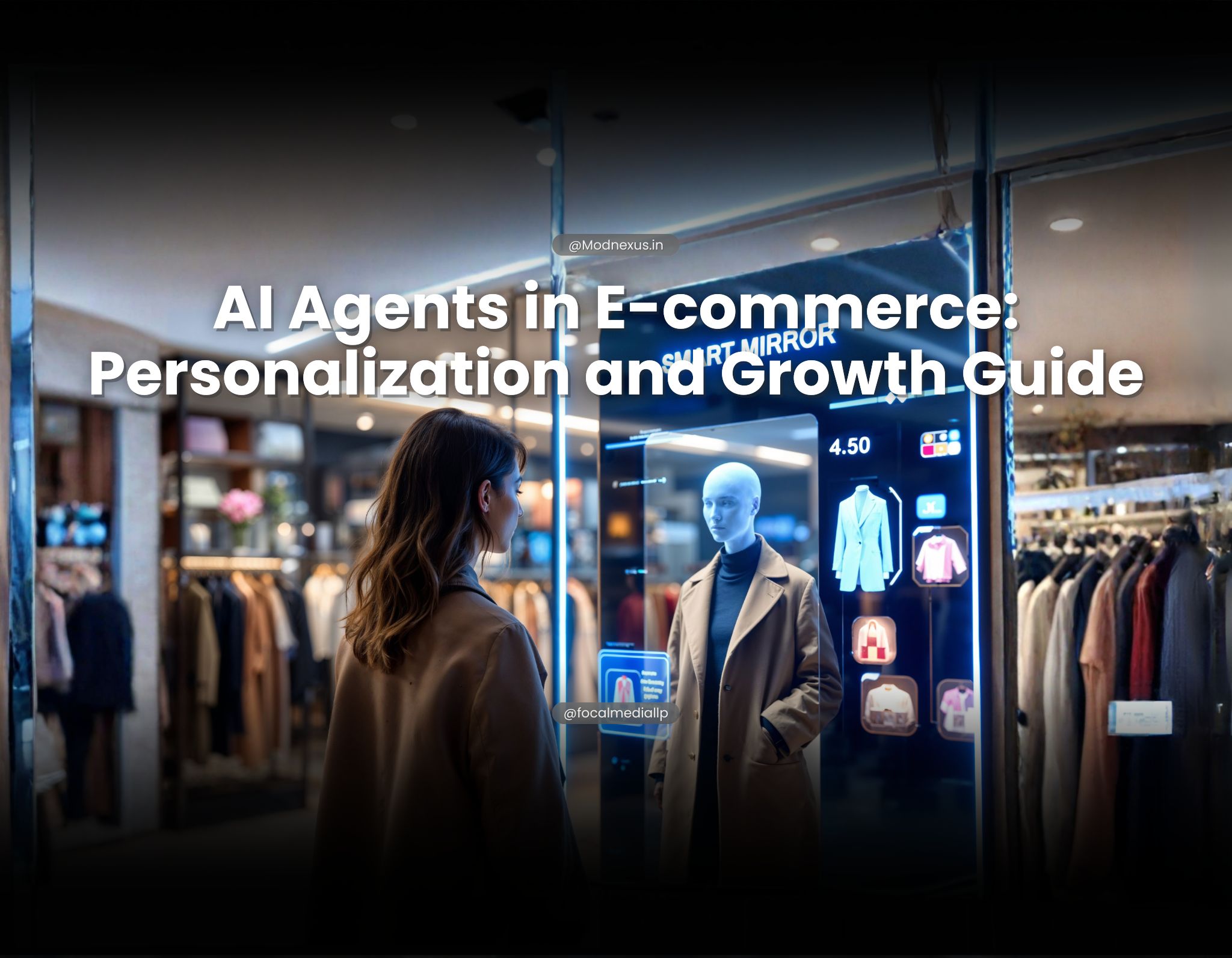
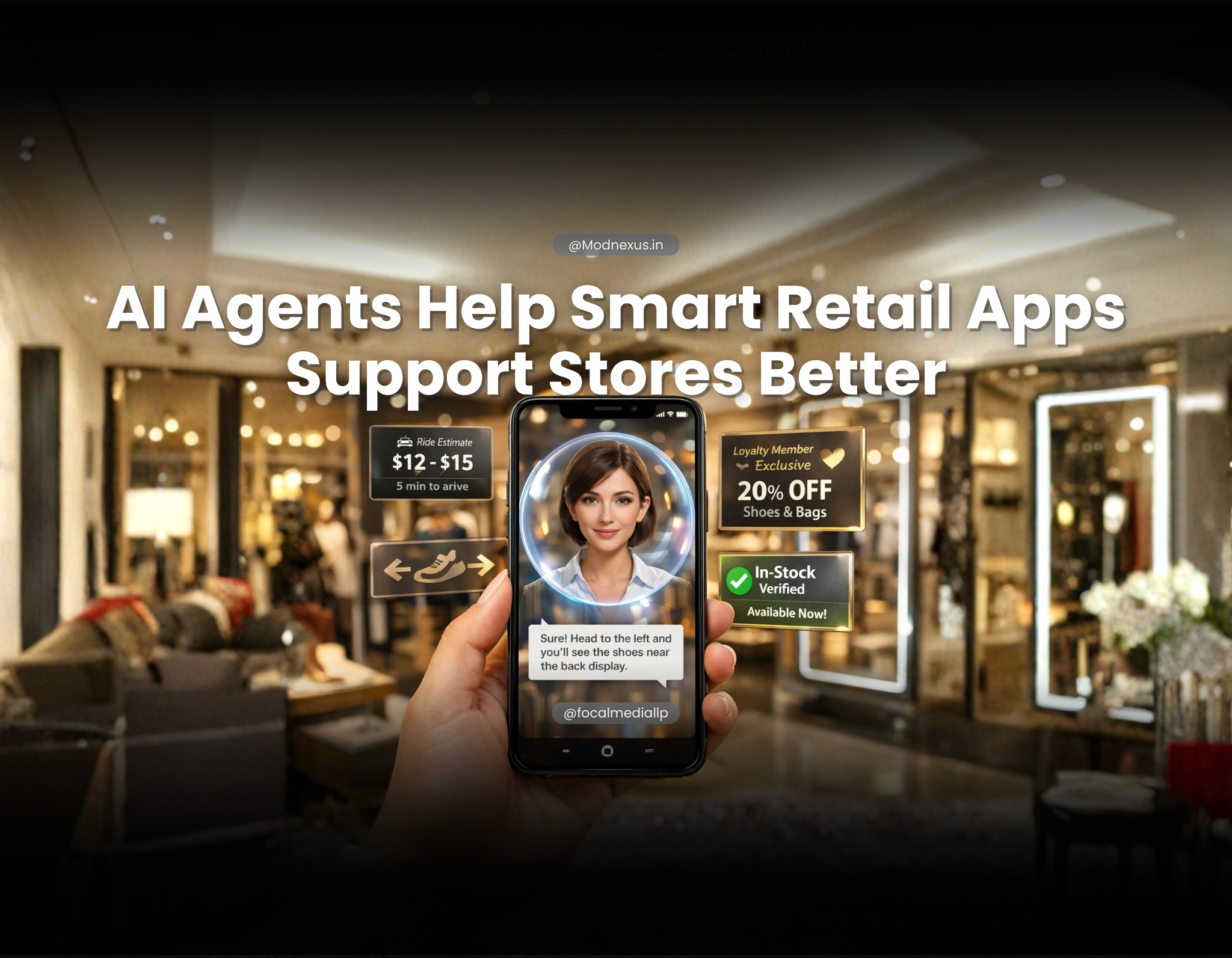

Smart retail apps play a critical role in helping stores manage inventory, orders, pricing, and customer interactions. When these systems fail or become confusing, store operations slow down immediately. Store managers and staff need fast, reliable support to keep daily operations running smoothly. This is where AI Agents are making a major difference.
Retail environments are dynamic. Stores deal with fluctuating demand, promotions, supply chain changes, and omnichannel orders. Traditional support models struggle to keep up with this pace, especially when hundreds or thousands of stores rely on the same platform.
The Growing Complexity of Retail App Support
Smart retail apps support a wide range of users, from store managers and cashiers to warehouse teams and regional operators. Each role faces different issues, such as inventory mismatches, POS errors, pricing sync problems, or order fulfillment delays. Handling these queries manually leads to long resolution times. AI Agents help simplify this complexity by delivering instant, role-specific support.
How AI Agents Improve Store-Level Support
Unlike basic chatbots, AI Agents understand context, user roles, and system data. They can identify whether an issue relates to inventory, payments, or integrations and provide precise guidance. This reduces back-and-forth communication and helps stores resolve problems quickly.
Faster Issue Resolution on the Shop Floor
In retail, delays directly impact revenue. When a POS system fails or when inventory data doesn’t update, stores cannot afford to wait. AI Agents provide immediate responses, helping staff troubleshoot issues without leaving the sales floor or waiting for human agents.
Consistent Support Across Store Networks
Large retail platforms often support thousands of stores across regions. Ensuring consistent support quality is challenging. AI Agents deliver standardized, policy-aligned responses across all locations, ensuring every store receives accurate information regardless of size or geography.
Reducing Operational Burden for Retail Teams
Retail support teams often face repetitive queries related to stock updates, promotions, and order status. AI Agents handle these high-volume requests automatically, reducing workload and freeing human agents to focus on complex escalations or strategic support.
Smarter Self-Service for Store Staff
Store teams prefer quick answers that help them act immediately. AI Agents enable intelligent self-service by guiding users step by step through common workflows, such as resolving stock discrepancies or syncing devices. This improves efficiency and confidence among store staff.
Supporting Omnichannel Retail Operations
Modern retail apps integrate online orders, in-store pickup, and delivery services. AI Agents help stores manage omnichannel complexity by answering questions related to order routing, fulfillment status, and returns. Clear guidance reduces errors and improves customer satisfaction.
Proactive Alerts and Guidance
Support doesn’t always need to be reactive. AI Agents can proactively notify stores about system updates, policy changes, or potential issues before they escalate. Proactive support helps stores prepare instead of scrambling to fix problems.
Improving Training and Onboarding
High staff turnover is common in retail. AI Agents act as always-available assistants that help onboard new employees by answering questions about app usage, workflows, and policies. This reduces training time and reliance on supervisors.
Cost-Effective Support at Scale
As retail platforms grow, scaling human support becomes expensive. AI Agents offer a cost-effective way to support expanding store networks without sacrificing service quality. Automation ensures scalability while maintaining reliable assistance.
Data-Driven Insights for Better Support
By analyzing support interactions, AI Agents help retail platforms identify recurring issues and product gaps. These insights allow teams to improve app design, reduce future support requests, and enhance overall platform reliability.
Seamless Integration with Retail Systems
AI Agents integrate with inventory systems, POS platforms, and order management tools. This allows them to provide accurate, real-time answers instead of generic troubleshooting steps. Better integration leads to faster resolutions and higher trust from stores.
Getting Started with AI Agents in Retail Apps
Retail platforms should start by automating common store queries, such as inventory updates and order tracking. Over time, AI Agents can expand into proactive alerts, training support, and advanced troubleshooting. A phased approach ensures accuracy and adoption.
Conclusion
Store support is a critical pillar of smart retail success. When stores receive fast, accurate help, they can focus on serving customers and driving sales. AI Agents make it possible to support large retail networks efficiently, consistently, and at scale.
At ModNexus, we help smart retail platforms implement AI Agents that simplify store support, reduce operational strain, and enable better retail experiences. For retail apps aiming to grow sustainably, intelligent support is no longer optional, it’s essential.