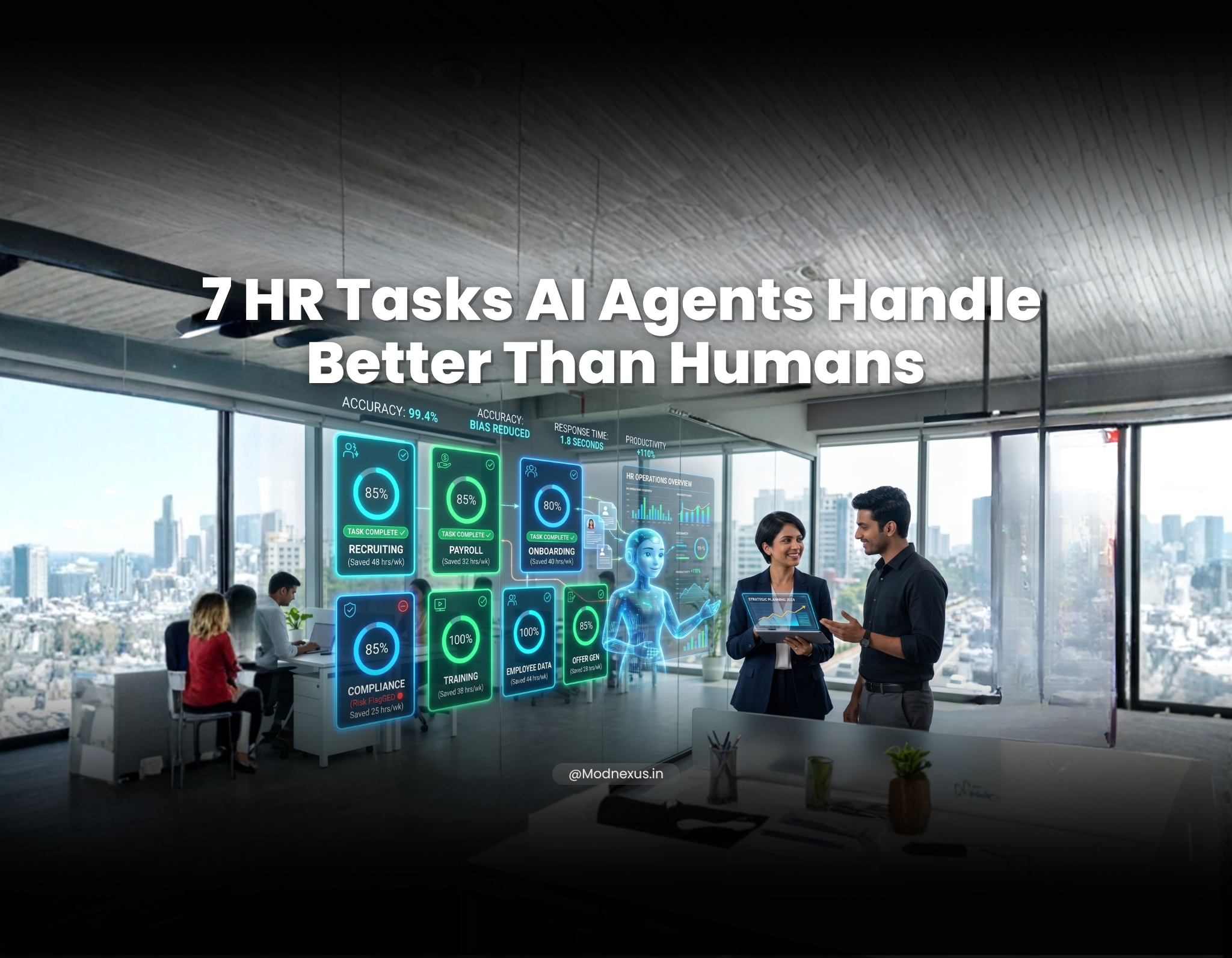


The modern workplace is changing faster than ever. Businesses are no longer relying only on human teams to manage operations, communication, and workflows. Today, intelligent systems are becoming part of everyday work environments, helping organizations improve efficiency and productivity. This is where AI agents are emerging as true digital coworkers.
Unlike traditional automation tools, modern AI systems can understand tasks, make decisions, and support employees in real time. They are transforming how companies operate, collaborate, and scale in a competitive business landscape.
What Are AI Agents?
AI agents are intelligent software systems designed to perform tasks autonomously. They can analyze information, respond to requests, and interact with tools or platforms without constant human supervision.
These systems combine:
- Natural language understanding
- Decision-making capabilities
- Workflow automation
- Real-time data analysis
As a result, businesses can use AI technology to automate repetitive work while improving operational speed and accuracy.
Why AI Agents Are Becoming Digital Coworkers
Traditional automation follows fixed rules. Modern AI agents go further by adapting to changing situations and learning from interactions.
They function as digital coworkers because they:
- Assist teams with daily tasks
- Handle repetitive operations
- Improve communication workflows
- Support decision-making processes
This allows employees to focus more on creative and strategic responsibilities.
AI Agents in Everyday Workflows
Many businesses already use AI agents in daily operations without realizing how integrated they have become.
Common use cases include:
- Customer support automation
- Email and meeting management
- HR onboarding assistance
- Data analysis and reporting
These digital systems reduce manual effort and improve productivity across departments.
Improving Productivity With AI
One of the biggest advantages of AI in the workplace is productivity enhancement. Employees often spend hours on repetitive administrative tasks.
AI agents automate these activities by:
- Organizing information
- Scheduling workflows
- Generating summaries
- Managing support tickets
This creates a more efficient and streamlined work environment.
AI Agents and Human Collaboration
The future workplace is not about replacing humans it is about collaboration between people and intelligent systems.
AI agents work alongside teams by:
- Providing real-time recommendations
- Handling repetitive tasks
- Supporting faster decision-making
This partnership improves efficiency while allowing employees to focus on high-value work.
The Role of Digital Workspaces
As remote and hybrid work continue to grow, digital collaboration tools are becoming essential.
Modern workplaces rely on:
- Cloud platforms
- Communication tools
- Workflow management systems
AI agents integrate into these environments to support seamless operations and faster communication.
AI Agents in HR and Recruitment
Human resources teams are increasingly using AI systems to improve hiring and employee management.
Examples include:
- Resume screening
- Interview scheduling
- Employee onboarding
- Internal support automation
These digital workflows help HR teams save time and improve efficiency.
Customer Support Transformation
Customer service is one of the strongest areas for AI agents. Businesses can provide faster and more consistent support with intelligent automation.
Benefits include:
- 24/7 assistance
- Reduced response times
- Improved customer satisfaction
By automating common queries, AI systems reduce workload on support teams.
Data-Driven Decision Making
Businesses generate large amounts of data every day. Analyzing this manually is time-consuming.
AI agents process information quickly and deliver actionable insights. This enables smarter decisions and better planning.
Using AI for analytics helps organizations respond faster to market changes and operational challenges.
Challenges of AI in the Workplace
While the rise of digital coworkers brings many benefits, businesses must address challenges such as:
- Data privacy concerns
- Integration complexity
- Employee adaptation
Successful adoption requires proper planning and training.
How Businesses Can Prepare
Organizations looking to adopt AI agents should start with clear goals and practical use cases.
Key steps include:
- Identifying repetitive workflows
- Choosing the right tools
- Training employees
- Monitoring system performance
A gradual implementation strategy ensures smoother adoption.
The Future of Digital Coworkers
The role of AI agents will continue to expand as technology evolves. Future systems may handle more advanced workflows, predictive analysis, and real-time collaboration.
Businesses that embrace AI early will gain a competitive advantage through faster operations and improved efficiency.
Conclusion
The workplace is entering a new era where humans and intelligent systems work together. AI agents are no longer experimental tools they are becoming essential digital coworkers that improve productivity, automate workflows, and support business growth.
At ModNexus, we help businesses integrate AI solutions that streamline operations and prepare organizations for the future of work. Companies that adopt intelligent automation today will be better equipped for tomorrow’s challenges.
As businesses continue adopting intelligent automation, understanding how AI agents improve workflows becomes increasingly important. Explore more insights on AI-powered customer support, business process automation, and digital workplace transformation at ModNexus to learn how modern organizations are using smart systems to improve efficiency, collaboration, and decision-making across teams.